Why Kyoto Deserves More Than One Visit
With 17 UNESCO World Heritage Sites, Kyoto demands patience and curiosity. Beyond the iconic Fushimi Inari torii gates and Arashiyama bamboo grove lies a city of extraordinary depth — ancient craft traditions, centuries-old tea ceremonies, geiko-haunted lantern-lit alleys in Gion, and kaiseki cuisine of unrivaled refinement.
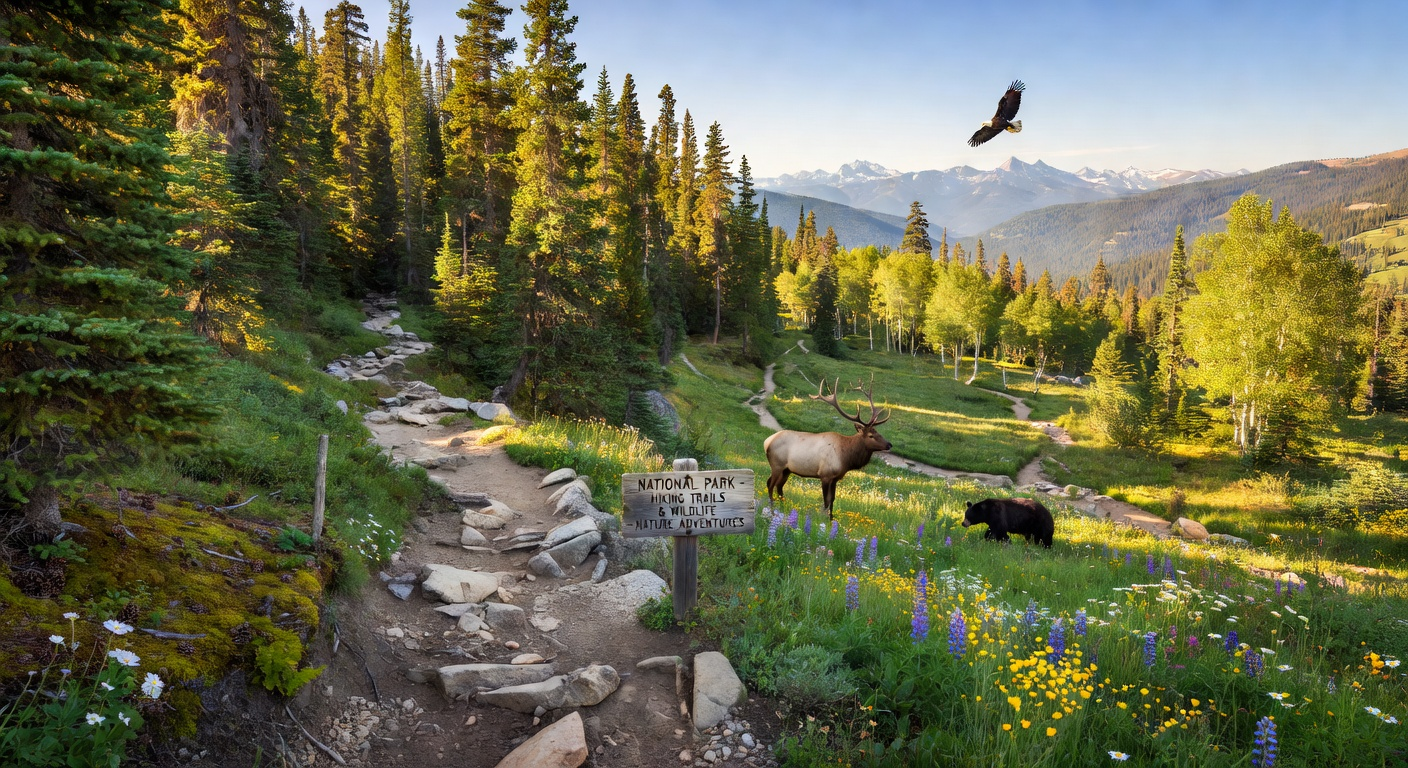
Kyoto's forested hillside trails connect some of the city's most sacred temples — a different world from the urban bustle below
💡 Editor's Tip: Book accommodations 3–4 months in advance if visiting during cherry blossom season (late March to mid-April) or autumn foliage (mid-November). These are the most requested periods globally and popular ryokan fill up extremely fast.
The Perfect 5-Day Kyoto Itinerary
This itinerary is designed to balance Kyoto's iconic highlights with meaningful off-the-beaten-path experiences, allowing time to breathe and truly absorb the city's ancient atmosphere.
Day 1
Gion, Hanamikoji & Evening in the Higashiyama
- Arrive and check into your ryokan or hotel in central Kyoto
- Afternoon stroll through Gion's Hanamikoji — best chance of spotting geiko
- Yasaka Shrine & the Maruyama Park stroll at dusk
- Dinner: traditional kaiseki at a reserved omakase restaurant
Day 2
Fushimi Inari & Southern Higashiyama
- Fushimi Inari Taisha at 6:00am — before the crowds, the atmosphere is magical
- Nishi-ki Market: Kyoto's "Kitchen" for tastings and local ingredients
- Kinkaku-ji (Golden Pavilion) in early afternoon
- Evening: Pontocho alley — Kyoto's most atmospheric dining corridor
Day 3
Arashiyama & Western Kyoto
- Bamboo Grove at dawn (7:00am) — Sagano line from Kyoto Station
- Tenryu-ji temple garden: Japan's most celebrated dry garden landscape
- Boat ride on the Oi River through the Arashiyama gorge
- Sagano Romantic Train to Kameoka for the afternoon


Kyoto Food & Drink Guide
Kyoto's culinary tradition — known as kyo-ryori — is one of the most refined in the world. It emphasizes seasonal precision, visual beauty, and ingredients cultivated specifically for Kyoto's particular culinary aesthetic.
Must-Try Kyoto Dishes
Kaiseki: Kyoto's multi-course ceremonial cuisine is the pinnacle of Japanese gastronomy. A single meal can span 12 courses and take two hours to experience properly.
Tofu Ryori: Kyoto is famous for its silken yudofu (hot tofu) — served in simple temple restaurants around Nanzen-ji, this dish exemplifies the city's reverence for simplicity.
Nishiki Market: This covered shopping street has served Kyoto's kitchens for 400 years. Sample pickled vegetables (tsukemono), fresh mochi, grilled skewers, and Kyoto's celebrated dashi stock.
💡 Budget Tip: For an authentic Kyoto meal without the kaiseki price tag, seek out a traditional obanzai restaurant — casual set-meal diners serving seasonal Kyoto home cooking for ¥1,500–¥2,500.
Where to Stay in Kyoto
Neighborhoods to Consider
Higashiyama: The most atmospheric area, within walking distance of Gion and the eastern temple corridors. Premium prices but unmatched immersion.
Fushimi: Less crowded, near Fushimi Inari — ideal for early morning shrine visits without the tourist crowds.
Central Kyoto (Kawaramachi): Best transport connections, nearest to Nishiki Market and Pontocho — the most practical base for first-time visitors.
Practical Information
Getting There: Kansai International Airport (KIX) is the nearest international hub. The Haruka Limited Express connects KIX to Kyoto in 75 minutes. Kyoto is also 2h15m from Tokyo on the Shinkansen bullet train.
Getting Around: Kyoto's bus network covers most major sites. The Subway Day Pass (¥800) provides unlimited subway travel. Cycling is an excellent and popular option for the city's flat central areas.
Best Time: Spring cherry blossom season (late March–mid April) and autumn foliage (mid October–late November) are extraordinary but expensive. Early December and late January–February offer solitude and moderate prices.